Quick Answer: The most useful dental hygiene tips for adults aren’t the ones you learned as a kid. Most people brush for about 45 seconds, rinse away their fluoride right after, and skip flossing because they don’t see the point. The seven dental hygiene tips that actually protect your teeth long-term are: brushing for two full minutes with a 45-degree gumline angle, using fluoride toothpaste (and not rinsing afterward), flossing in a C-shape around each tooth, replacing your brush every three months, cleaning your tongue daily, timing sugary drinks with meals, and scheduling cleanings every six months to remove the tartar no home routine can reach.
You’ve been brushing your teeth for thirty years. You floss most nights. You even switched to an electric toothbrush because your cousin wouldn’t stop talking about hers. So why did the hygienist still find three cavities and two problem spots at your last cleaning?
It’s probably not because you’re lazy or careless. It’s because the standard “brush and floss” advice you learned as a kid is only about 60% of what actually keeps teeth healthy as an adult. The rest is technique, timing, and a few small habits nobody bothered to explain. The dental hygiene tips below close that gap — and the difference between a “pretty good routine” and “teeth that still look great at 70” is smaller than you think, if you know what to change.
Here’s what we wish every patient knew before their next checkup, written as practical dental hygiene tips you can start tonight.
What’s Actually Happening in Your Mouth (Before the Dental Hygiene Tips)
Before the tips, it helps to understand what you’re fighting against. Your mouth is home to billions of bacteria. Most are harmless. Some are actively useful. But a specific group of acid-producing bacteria feed on the sugars and starches from your meals and, within minutes, start forming a sticky film on your teeth called plaque.
Plaque is a biofilm — a living community of bacteria that clings to enamel and hides under the gumline. If you don’t physically disrupt it within 24 to 72 hours, it pulls minerals from your saliva and hardens into tartar (also called calculus). Tartar is basically a limestone deposit welded to your tooth. You cannot brush it off. You cannot floss it off. It has to be scraped off by a hygienist with specialized tools.
Once tartar forms, it becomes a reef for more bacteria, which pump out acid and inflammatory byproducts that attack your enamel and your gums. This is how cavities start. This is how gum disease starts. And it all traces back to how well — and how consistently — you disrupt that biofilm at home.
Every one of the dental hygiene tips below is about disruption. Better disruption, done twice a day, is what protects teeth for a lifetime.
7 Dental Hygiene Tips That Actually Make a Difference
1. Brush for Two Minutes — and Use the Right Angle
The average person brushes for 45 seconds. Two minutes is the minimum for actual coverage of 28+ surfaces, which is why this is the first of our dental hygiene tips. If you’ve never timed yourself, do it once — you’ll be surprised how long two minutes feels.
But technique matters more than time. Most people brush with a back-and-forth sawing motion, which is actually abrasive to enamel and misses the most important area: the gumline. The right technique is called the Modified Bass Technique:
- Hold your brush at a 45-degree angle toward the gumline, not flat against the tooth.
- Use small, gentle circular motions — not sawing.
- Mentally divide your mouth into four quadrants (upper left, upper right, lower left, lower right) and spend 30 seconds on each.
- Let the bristles flex slightly into the gumline — that’s where the destructive bacteria hide.
Electric toothbrushes do a lot of this work automatically, which is why they consistently outperform manual brushing in studies. If you’re using one, don’t scrub with it — just guide it slowly along each tooth and let the brush do the work.
2. Choose Fluoride Toothpaste (the Most Underrated of All Dental Hygiene Tips)
Fluoride remains the single most studied, most effective ingredient in dental care. Every time you eat something acidic or sugary, minerals leach out of your enamel — a process called demineralization. Fluoride puts those minerals back and rebuilds the surface stronger than before (remineralization). This happens microscopically, over and over, every day.
Look for the ADA Seal of Acceptance on the tube — that’s your confirmation the fluoride concentration is effective. If you have sensitive teeth, look for a formula containing potassium nitrate, which calms the nerves inside the tooth over several weeks of use.
The “fluoride-free” and “natural” toothpaste trend is one of the most frustrating things we see in practice. The evidence that fluoride prevents cavities is overwhelming and has been for 70 years. Unless your physician or dentist has told you otherwise for a specific medical reason, use fluoride toothpaste.
3. Flossing Isn’t Optional (and Most People Do It Wrong)
If you’re not flossing, you’re missing roughly 35% of every tooth surface — the spots between teeth where your brush can’t physically reach. Those are also the spots where cavities develop most quietly, because you can’t see them until they’re significant. This is one of the dental hygiene tips most people skip — and it shows up at every cleaning we do.
The right technique:
- Don’t saw back and forth at the gumline. That slices into the gum tissue and doesn’t clean anything.
- Instead, curve the floss into a C-shape around one tooth, slide it gently under the gumline, then move it up and down against the side of the tooth.
- Repeat on the adjacent tooth (same gap, other side).
- Move to the next gap with a fresh section of floss.
If string floss is hard for you — because of arthritis, tight spaces, or just frustration — a water flosser (like a Waterpik) or interdental brushes are legitimate alternatives. Studies show they can be just as effective when used daily. The best floss is the one you’ll actually use every night.
4. Replace Your Toothbrush Every Three Months
Frayed bristles don’t clean well. Once the bristles start splaying outward, they stop flexing into the spaces where plaque lives — you’re essentially brushing with a worn-out broom. Set a recurring calendar reminder every three months.
A few specific situations when you should replace it immediately:
- After any respiratory illness (cold, flu, strep, COVID, sinus infection). Bacteria and viruses can colonize the bristles and reintroduce themselves.
- If you’ve dropped it in the sink or on the bathroom floor more than once.
- If the bristles are visibly bent — a sign you’re pressing too hard. Ease up.
Store your brush upright, in open air, where it can fully dry between uses. A closed travel container or drawer keeps it damp, which is exactly what bacteria want.
5. Clean Your Tongue — One of the Most Skipped Dental Hygiene Tips
Your tongue is textured like a high-pile carpet. The tiny bumps on the surface (called papillae) trap food particles, dead cells, and bacteria. Those bacteria produce volatile sulfur compounds (VSCs), which are the actual source of about 80% of bad breath. You can brush your teeth perfectly and still have breath that offends people at arm’s length if your tongue isn’t clean.
Use a dedicated tongue scraper (they cost $3–5 and last forever) or the tongue-cleaning setting on your electric brush. Scrape from back to front, rinse, repeat 2–3 times. Do it every morning before breakfast. Most people notice an immediate difference in breath and in how food tastes throughout the day.
6. The “Spit, Don’t Rinse” Rule
This one surprises almost every patient, which is why it’s one of the highest-value dental hygiene tips on this list. After brushing, you should spit out excess toothpaste — but don’t rinse your mouth with water.
Here’s why: the fluoride in your toothpaste needs to sit on your enamel to work. Rinsing with water immediately washes that concentrated fluoride down the drain before it has a chance to bond. If you leave the thin slurry on your teeth for 15–30 minutes after brushing, you get the full benefit of the fluoride treatment — essentially a free micro-dose of the same mineral treatment we’d apply in the office.
Translation: brush last thing before bed, spit, don’t rinse, don’t eat or drink anything after. That’s the single highest-leverage change most adults can make to their routine tonight.
7. Manage Your Acid Exposure (Not Just Sugar)
Sugar gets blamed for cavities, and that’s partly true — but what actually causes enamel damage is acid, which sugar triggers bacteria to produce. Acid can also come directly from food and drinks: coffee, soda, wine, sparkling water, citrus, kombucha, sports drinks.
Every time you eat or drink something acidic, the pH in your mouth drops for roughly 20–30 minutes. During that window, your enamel is actively dissolving. If you sip coffee all morning or nurse a La Croix at your desk for two hours, your mouth never gets out of that acid window — your enamel is under constant attack.
The fix isn’t quitting coffee. It’s timing — and this is one of the most overlooked dental hygiene tips for adults:
- Drink acidic/sugary beverages with meals, not as all-day sippers.
- Follow them with a glass of plain water to rinse the acid away.
- Wait at least 30 minutes before brushing after acidic drinks — brushing while enamel is softened actually damages it.
- Use a straw for iced coffee, soda, and juice so the liquid bypasses your front teeth.
Small changes. Big difference over a decade.
The Part Even the Best Dental Hygiene Tips Can’t Replace: Professional Cleanings
Even with a flawless daily routine, small amounts of tartar will build up in hard-to-reach areas — especially on the inside of your lower front teeth, where saliva pools and mineralizes fastest. This is normal anatomy, not a sign you’re doing something wrong. It’s also why professional cleanings every six months aren’t optional, no matter how good your home dental hygiene tips routine is.
A cleaning does three things your toothbrush can’t:
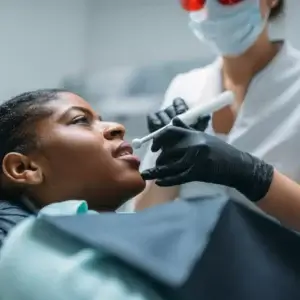
- Removes hardened tartar with ultrasonic and hand instruments
- Polishes the tooth surface so plaque has a harder time sticking in the days after
- Gives the hygienist a chance to spot small problems — a chip, a receding gum, early decay — before they become expensive
Every six months for most people. Every three to four months if you have a history of gum disease, diabetes, or heart conditions that interact with oral inflammation.
Why Dental Hygiene Tips Affect More Than Your Mouth
We used to think of oral health as separate from the rest of the body. We now know that’s wrong. The oral-systemic connection — the link between gum health and broader chronic disease — is one of the most studied areas of preventive medicine, and it’s the reason these dental hygiene tips matter beyond just keeping your smile bright.
Chronic gum inflammation creates a constant stream of bacteria and inflammatory molecules that enter your bloodstream and travel everywhere. The same bacteria found in dental plaque have been identified in the fatty deposits that cause heart attacks. For diabetics, gum disease makes blood sugar meaningfully harder to control — and poor blood sugar in turn worsens gum disease, creating a feedback loop.
A clean mouth isn’t just about a whiter smile or fresher breath. It’s part of protecting your heart, your pancreas, and your long-term cognitive health.
“I Haven’t Been in for a Cleaning in a Long Time”
If it’s been more than six months — or more than a few years — the most important thing to know is that we see patients in this situation every week. No lectures. No sighs. Just an exam, a cleaning, and a clear plan to get you back on a regular schedule. The dental hygiene tips above can take you from there.
If cost is a concern, ask about our Wellness Plan when you call. $24/month for adults includes all exams and X-rays, cleanings at $32 and 25% off most other treatments; IV sedation is priced the same for every patient. $21/month for kids 12 and under. No insurance required, no waiting periods — a lot of patients sign up at their first visit and use it the same day.
If anxiety is the reason for the gap, we offer sedation options ranging from calming support to IV sedation, and Dr. Huynh has advanced training specifically in working with nervous patients. Tell us when you book.
Medically reviewed by Dr. Thanh Huynh, DMD, FAGD — Fellow of the Academy of General Dentistry, a credential held by fewer than 7% of general dentists. Last reviewed April 23, 2026.
Frequently Asked Questions About Dental Hygiene Tips
Is it better to brush before or after breakfast?
Before. Acid from breakfast (juice, coffee, fruit, even bread) softens your enamel for about 30 minutes, and brushing immediately after can actually abrade the softened surface. Brushing before breakfast also removes the overnight bacterial buildup before it gets mixed with food. If you can’t stand morning breath, at least rinse with water before eating and brush later.
Electric or manual toothbrush — which is the better dental hygiene tip?
Electric, for most adults. Studies consistently show electric brushes (especially oscillating-rotating models) remove more plaque and reduce gum inflammation better than manual brushes. They also take most of the technique burden off you — just guide it slowly along each tooth. That said, a manual brush used correctly for two full minutes with proper technique is far better than an electric brush used carelessly for 30 seconds.
Do I really need to floss every day?
Yes, but “flossing” can mean string floss, a water flosser, or interdental brushes — whichever you’ll actually do daily. The goal is cleaning the 35% of tooth surface your brush can’t reach, not the specific tool. If string floss frustrates you to the point that you skip it, switch tools rather than skip the whole step.
Is mouthwash one of the dental hygiene tips I really need to follow?
For most healthy adults, no — mouthwash is optional. A fluoride rinse can add a small protective layer if you use it at a different time than brushing (otherwise it washes away your toothpaste fluoride). Antibacterial rinses like chlorhexidine are prescription-strength and used short-term for specific conditions. If your oral care routine is solid, you don’t need a mouthwash to be healthy.
How do I know if I’m brushing too hard?
Your toothbrush will tell you. If the bristles are splayed outward after a few weeks, you’re pressing too hard. Other signs: tender gums after brushing, gum recession (teeth looking “longer”), and sensitivity at the gumline. The fix is to hold the brush like a pencil, not a fist — let the bristles do the work instead of your arm.
Why do my teeth still hurt even though I follow all the dental hygiene tips?
Sensitivity usually means either exposed dentin (from gum recession or enamel wear) or an early cavity. Switch to a sensitivity toothpaste with potassium nitrate and use it consistently for at least two weeks — it needs time to work. If sensitivity persists or is localized to one tooth, book an exam. Pinpoint sensitivity often signals a cavity, crack, or exposed root that home care can’t fix.
How often should I actually get a professional cleaning?
Every six months for most adults. Every three to four months if you have a history of gum disease, take medications that reduce saliva (many antidepressants, antihistamines, blood pressure meds), have diabetes, or are pregnant. Your dentist will tell you which category you fall into at your exam.
Small Changes. Bigger Difference Than You Think.
You don’t have to overhaul everything. Pick two of these seven dental hygiene tips and work on them for the next month. Spend two actual minutes brushing. Stop rinsing after. Add a tongue scrape to your morning. Whatever feels most doable.
And if it’s been a while since your last cleaning, don’t let the gap get longer. We see patients restarting after years away every week, and nobody on our team will make you feel bad about it.
Book Your Comfort-First Visit or call (832) 476-7676.
This article provides general information and is not personalized medical advice. Specific recommendations may vary based on your oral health history, medications, and medical conditions. Ask your dentist at your next visit.
Related reading: Learn more about our dental checkups and cleanings in Cypress and our gum disease treatment options for patients who notice bleeding or sensitivity.