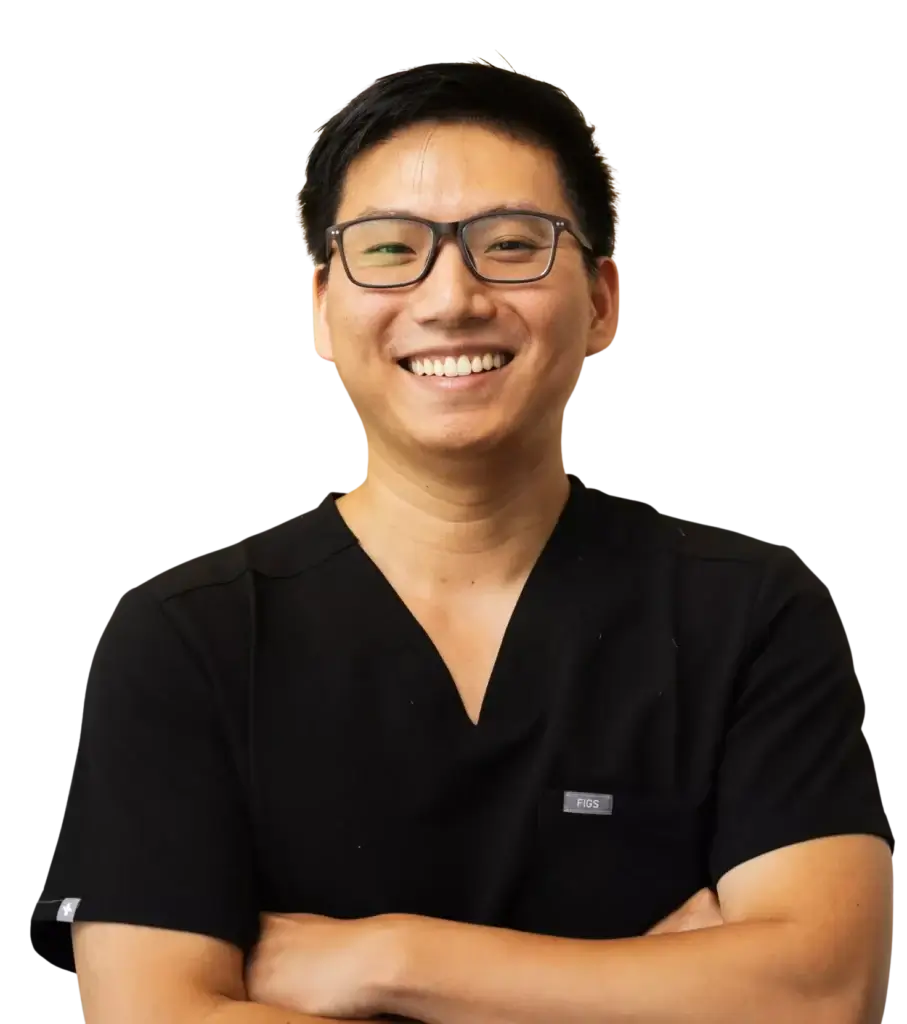
Medically reviewed by Dr. Thanh Huynh, DMD, FAGD.
Quick answer: Sedation dentistry uses medication to keep you calm and comfortable during dental work, and it comes in two levels — nitrous oxide (laughing gas) and IV sedation (medication through a vein). Lighter sedation suits mild nerves and short visits; deeper sedation suits severe anxiety, a strong gag reflex, long or complex treatment, or a tooth that won’t fully numb. At Aster Smiles in Cypress, TX, Dr. Thanh Huynh holds his own Texas Level 3 sedation permit and matches the level to you. The first step is simply telling us you’re anxious when you call.
If the thought of the dental chair makes your chest tighten, you already know “just relax” is useless advice. You’re not imagining the dread, and you’re far from alone — plenty of adults in Cypress put off care for years because of fear, a sensitive gag reflex, or one bad past experience. The good news: there’s a real clinical answer, and it isn’t willpower — it’s sedation, matched to your situation.
What “sedation dentistry” actually means
Let’s be precise, because the word gets used loosely. Sedation is not the same as the numbing shot that blocks pain in one spot — local anesthetic numbs a tooth, while sedation calms your whole nervous system so the visit stops feeling like something to survive. The two work together but do different jobs.
Just as important: dental sedation is conscious sedation, not general anesthesia. Even at the deepest level, you keep breathing on your own and stay relaxed and drowsy rather than “put under” the way you’d be for hospital surgery — a big part of why it’s so safe in a properly credentialed office.
The two levels of sedation — and who each one is for
Think of sedation as a dial, not a switch. Most practices that advertise “sedation” really mean one option; we offer two, because the right choice depends on how anxious you are, how long the work will take, and how your body handles numbing.
1. Nitrous oxide (laughing gas) — for mild nerves
Nitrous oxide is the lightest option. You breathe a blend of gas and oxygen through a small nose mask, and within minutes everything feels softer — the lights less harsh, the sounds less important. You stay fully awake throughout, and its big advantage is how quickly it clears: we switch the mask to pure oxygen at the end, the effect fades within minutes, and you can usually drive yourself home — which makes it a great fit for a cleaning or single filling.
2. IV sedation — for severe anxiety, long visits, and teeth that won’t numb
IV sedation — sometimes called “twilight” or “sleep” dentistry — is the deepest level of conscious sedation a general dentist can legally provide in Texas, classified as Level 3 Moderate Parenteral Sedation under state rules. The medication goes in through a small IV line and reaches you within minutes, and most patients describe it as feeling like they slept through the whole thing, with little to no memory afterward.
Because the medication enters your bloodstream directly, the dose can be adjusted in real time, and because it works systemically rather than depending on one shot reaching one nerve, it’s the right answer when a heavily infected tooth resists local anesthetic — the well-documented reason some people “still felt it” at a previous dentist despite being numbed. (More on that in our piece on painless dentistry for people who hate the dentist.)
It does need more planning: you’ll fast beforehand, a responsible adult must drive you home, and the medication typically clears within 24 to 48 hours. The upside is that several procedures can often be combined into one sedated visit. And IV sedation is a tool, not a verdict on you — wanting to sleep through a single filling is a perfectly legitimate reason to use it. The full breakdown lives on our IV sedation dentistry page.
Is sedation dentistry safe?
Sedation is safe when it’s delivered by someone properly trained and carefully monitored — and the credentialing is exactly where Cypress practices differ. In Texas, administering IV sedation in a dental office requires a specific Level 3 permit from the state dental board, and many general dentists don’t carry it; when their patients need it, they bring in an outside anesthesiologist or refer the case out. Dr. Huynh holds his own Level 3 permit and administers IV sedation himself, in-office, with the trained Aster team monitoring throughout — which is why other Cypress practices refer their anxious and complex cases to us.
Here’s what protects you during a sedation visit at Aster Smiles:
- A pre-sedation medical review — health history, medications, allergies, and any past reactions — before we schedule.
- Continuous monitoring of heart rate, blood pressure, ECG, and blood-oxygen levels on hospital-grade equipment.
- Real-time dose adjustment, titrated up or down based on what your body actually needs.
- Reversal medications and emergency airway equipment on-site at all times during sedation visits.
- A trained team that never leaves you unattended.
Sedation isn’t right for everyone, and we’ll tell you honestly if it isn’t. Certain heart, lung, or liver conditions, pregnancy, severe sleep apnea, recent illness, or specific medications can make an option a poor fit. An honest “not this one” is part of doing it safely.
What to expect on the day
For IV sedation, you’ll have a consultation first to confirm it’s the right fit and to get written prep instructions. We don’t begin any work until you’re comfortable; afterward you recover with us until you’re alert, then head home with aftercare instructions and a follow-up call the next day. Comfort touches like weighted blankets and noise-canceling earplugs come standard.
What sedation dentistry costs in Cypress
Cost is where sedation quietly turns into a four-figure surprise at a lot of offices, so we keep it transparent. The price of nitrous oxide varies with your treatment and the length of the visit, and we quote it in writing up front — these are typically the more affordable options.
For IV sedation, we publish a flat fee and stand behind it: $500 for appointments up to one hour, $800 from one to two hours, and a flat $1,000 beyond two hours — the same for every patient, with no membership tier required. We can quote a flat number because Dr. Huynh administers the sedation himself; there’s no outside anesthesiologist billing by the 15-minute block, which is how a sedated procedure elsewhere can quietly become a four-figure surprise. The dental work itself — the filling, crown, or extraction — is quoted separately and in writing.
On insurance, IV sedation is sometimes covered when paired with a medically necessary procedure such as oral surgery; we verify your benefits beforehand, and monthly financing through CareCredit and Cherry is available for larger plans. Either way, you’ll know the number before you’re in the chair, not after.
How to get started
The single most useful thing you can do takes five seconds: when you call, say “I’m anxious and I’d like to talk about sedation.” That’s not an embarrassing confession — it’s information that lets us build the visit around you, with extra time and a quieter point in the day. If it helps to understand your own anxiety first, our guide on why dental anxiety is real and what actually helps is a good place to start. We see anxious patients from across the area, including many from nearby Coles Crossing who were looking for a sedation dentist in Cypress they could finally trust.
Frequently asked questions about sedation dentistry
Will I be completely asleep during sedation?
No — all three are conscious sedation, not general anesthesia. Even with IV sedation you stay technically awake and breathe on your own; most patients simply feel like they slept through it and recall little afterward.
Which type of sedation is right for me?
It depends on how anxious you are, how long and complex the treatment is, and how your body handles numbing. As a rule of thumb: nitrous for mild nerves and short visits, and IV sedation for stronger anxiety, a strong gag reflex, lengthy or surgical work, or a tooth that won’t fully numb. Dr. Huynh helps you decide at your consultation.
Can I drive myself home afterward?
With nitrous oxide, yes — it clears within minutes, so most patients drive themselves home. With IV sedation, no: it lingers in your system, so you’ll need a responsible adult to drive you. With IV sedation you’ll also fast beforehand.
Is sedation dentistry safe for nervous patients?
Yes — when it’s done by a properly credentialed provider with continuous monitoring, which is exactly how we run it. Every sedation patient gets a pre-sedation medical review, continuous vital-sign monitoring, a real-time-adjusted dose, and reversal medications plus airway equipment on-site — with Dr. Huynh administering IV sedation himself under his Texas Level 3 permit.
Ready when you are — let’s make the dentist easy again
You don’t have to keep putting it off, and you don’t have to white-knuckle your way through it. Whether the right answer is a little laughing gas or full IV sedation, there’s a comfortable way to get the care you’ve been avoiding — with a Cypress dentist who won’t judge you for needing it.
Book a free sedation consultation with Dr. Thanh Huynh and Dr. Stephen Choe at Aster Smiles Family & Sedation Dentistry, or call (832) 476-7676. We serve Cypress, Bridgeland, Towne Lake, Fairfield, and the surrounding neighborhoods — and we’re open Saturdays, so you don’t have to take a day off work to finally get comfortable in the chair.